Some environmental challenges appear suddenly.
Others emerge quietly over decades.
Nutrient pollution is one of them.
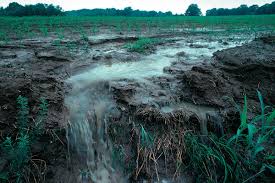
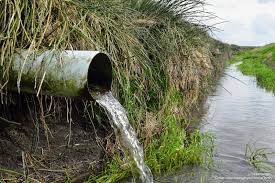
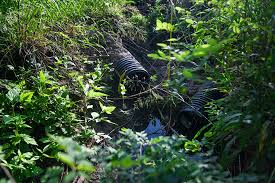
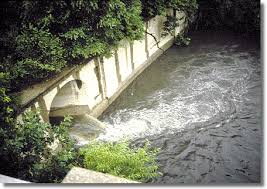
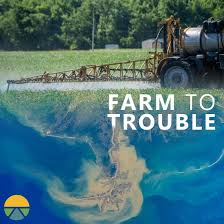
Across agricultural landscapes, nutrients intended to support food production can move beyond field boundaries and enter waterways — with cascading consequences for entire communities.
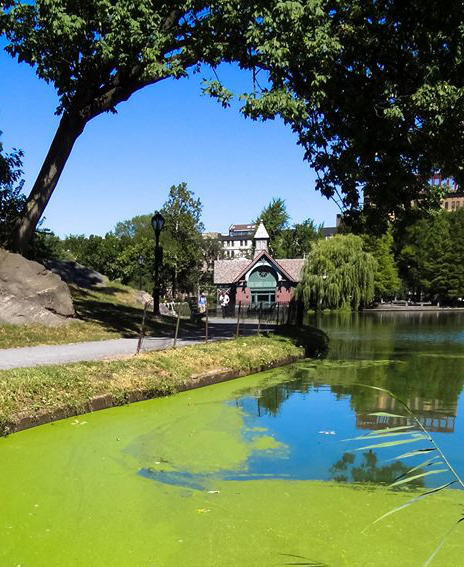
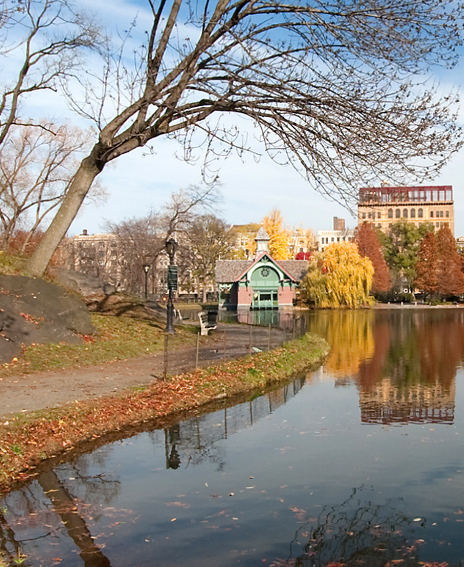
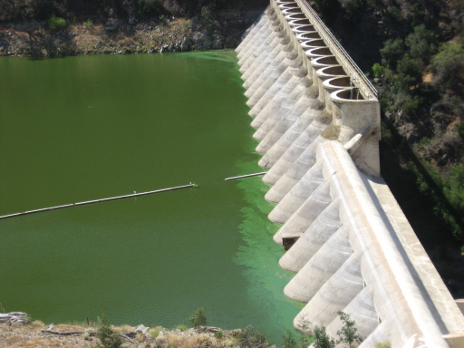
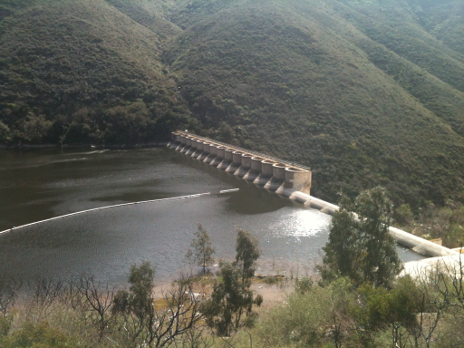
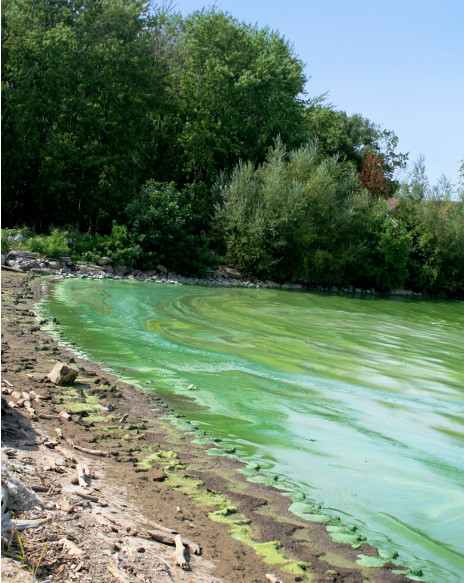
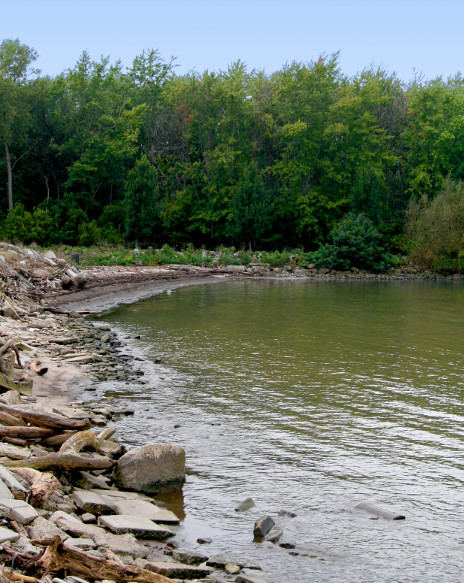
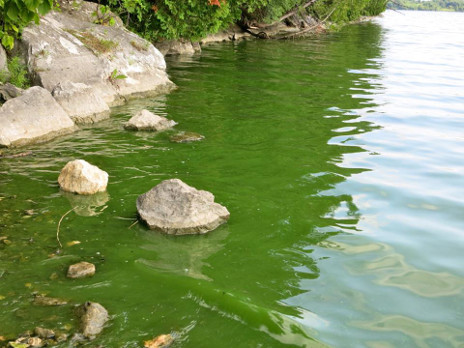
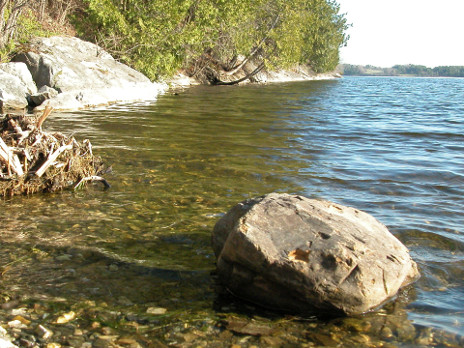
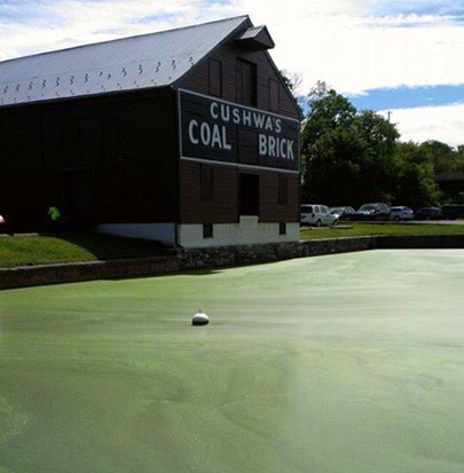
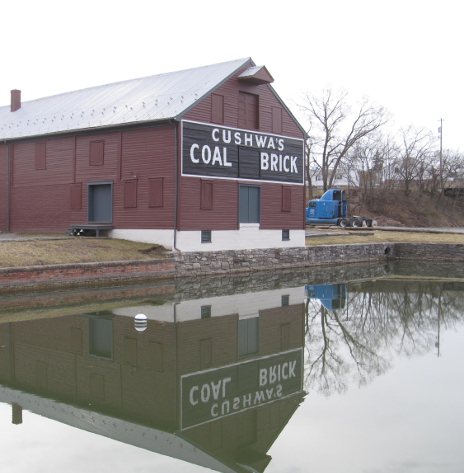
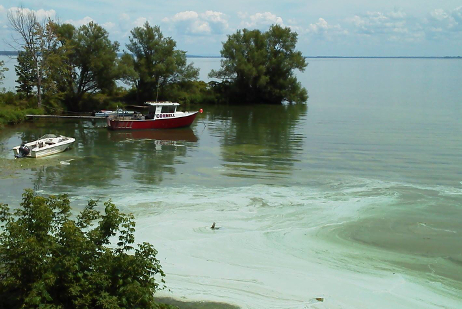
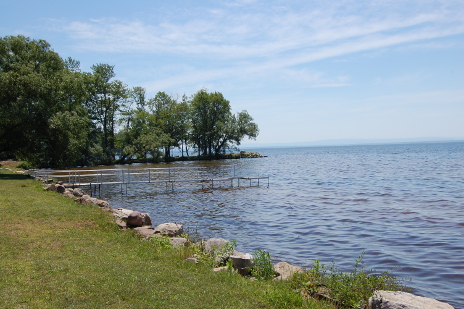
These are real waterbodies — before nutrient management and after. Drag the divider left and right to compare.
A 11-acre urban lake — choked by algal bloom in summer, restored to clear water through nutrient management. One of the most visited before/after examples in the Northeast.
A Southern California reservoir serving as a regional water supply — vivid green bloom at the dam face reveals the scale of nutrient loading from the upstream watershed.
New York's largest inland lake. This shoreline view shows the stark contrast between a thick cyanobacteria bloom — dangerous to touch — and a restored, rocky clear-water shore.
Same rocky shoreline, same season — one year showing bloom creeping across the surface, the next showing clear water where you can see the lake bottom through the rocks.
A historic canal basin on the Chesapeake & Ohio Canal. The contrast is total: a summer bloom turns the water into green paint, while a healthy season shows a perfect mirror reflection of the old Cushwa warehouse.
Research vessels on Oneida Lake document the bloom front advancing across open water. The "after" view shows the same lake in a healthy state — deep blue, clear to the horizon, accessible for recreation.
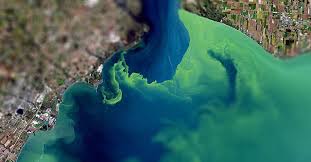
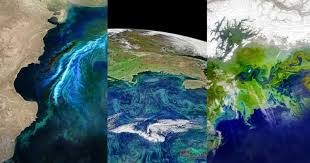
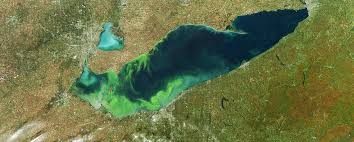
When algal blooms grow large enough to be imaged by satellite, the scale of nutrient loading becomes undeniable. These are not isolated events — they are a systemic signal.
Healthy watersheds are the foundation of healthy communities. The challenge touches every dimension of rural and downstream life.
Past generations built conservation systems that transformed soil stewardship across America. The next conservation chapter requires a similar commitment to protecting water.
America watched its topsoil blow away and responded with unprecedented infrastructure: conservation districts, terracing programs, and a national commitment that transformed agriculture.
America attacked industrial and municipal discharge — and succeeded. Rivers stopped catching fire. But non-point source agricultural runoff was left largely unaddressed.
The missing piece has always been upstream. WatershedIQ is building the infrastructure, intelligence, and partnerships to finally close the gap between conservation ambition and measurable watershed outcomes.
"The greatest environmental successes are rarely remembered because they become normal. We envision a future where cleaner waterways, resilient farms, and healthier watersheds are simply expected." — WatershedIQ Mission Statement
Today, we have something past generations did not: the AI tools to map nutrient flows across entire watersheds, identify the highest-leverage interception points, and verify outcomes with precision.
The science exists. The technology exists. The urgency exists. What remains is the will to build it.
Whether you farm the land, fund the future, or protect our watersheds professionally — there is a role for you in what WatershedIQ is building.
Explore Our Platform Contact Us